Where to See Snow in California: 15 Best Places for Winter
California is famous for beaches and sunshine, but its mountains tell a very different winter story. If you are wondering where to see snow in California, some of the best options are Lake Tahoe, Mammoth Lakes, Yosemite National Park, Big Bear Lake, and the higher mountains of Southern California.
The right destination depends on where you are starting, what you want to do, and recent weather conditions. Some places suit full ski vacations, while others are better for sledding, sightseeing, or a simple family snow day.
You can also check Snow Day Calculators for winter weather tools and snow-related guides before planning around an incoming storm.
Best California Snow Places at a Glance
Use this table to narrow down your options before choosing a destination.
| Destination | Region | Best For | Good Trip Type |
|---|---|---|---|
| Lake Tahoe | Northern California | Full winter vacation | Weekend or longer |
| Mammoth Lakes | Eastern Sierra | High-elevation winter activities | Weekend or longer |
| Yosemite National Park | Sierra Nevada | Snowy scenery | Day trip or overnight |
| Big Bear Lake | Southern California | Families and snow activities | Day trip or weekend |
| June Lake | Eastern Sierra | Quieter mountain trip | Weekend |
| Truckee | Northern California | Snowy mountain-town atmosphere | Weekend |
| Donner Summit | Northern California | Snow play and winter recreation | Day trip |
| Mount Shasta | Far Northern California | Mountain scenery | Weekend |
| Shaver Lake | Central California | Central Valley access | Day trip or weekend |
| Sequoia and Kings Canyon | Central Sierra | Winter landscapes | Day trip or overnight |
| Wrightwood | Southern California | LA-area snow trip | Day trip |
| Mount Baldy | Southern California | Mountain snow after storms | Day trip |
| Idyllwild | Southern California | Mountain-town getaway | Day trip or weekend |
| Mount San Jacinto | Southern California | Higher-elevation snow | Day trip |
| Mount Laguna | San Diego County | San Diego-area winter trip | Day trip |
Snowfall can change quickly at every location. Always check the forecast, road conditions, and local alerts before leaving home.
Where to See Snow in California: 15 Best Places
California’s most dependable winter environments are generally found at higher elevations and across major mountain ranges. Conditions at each destination still depend on individual storms and the time of year.
Here are 15 places worth considering.
1. Lake Tahoe
Best for: A complete California snow vacation
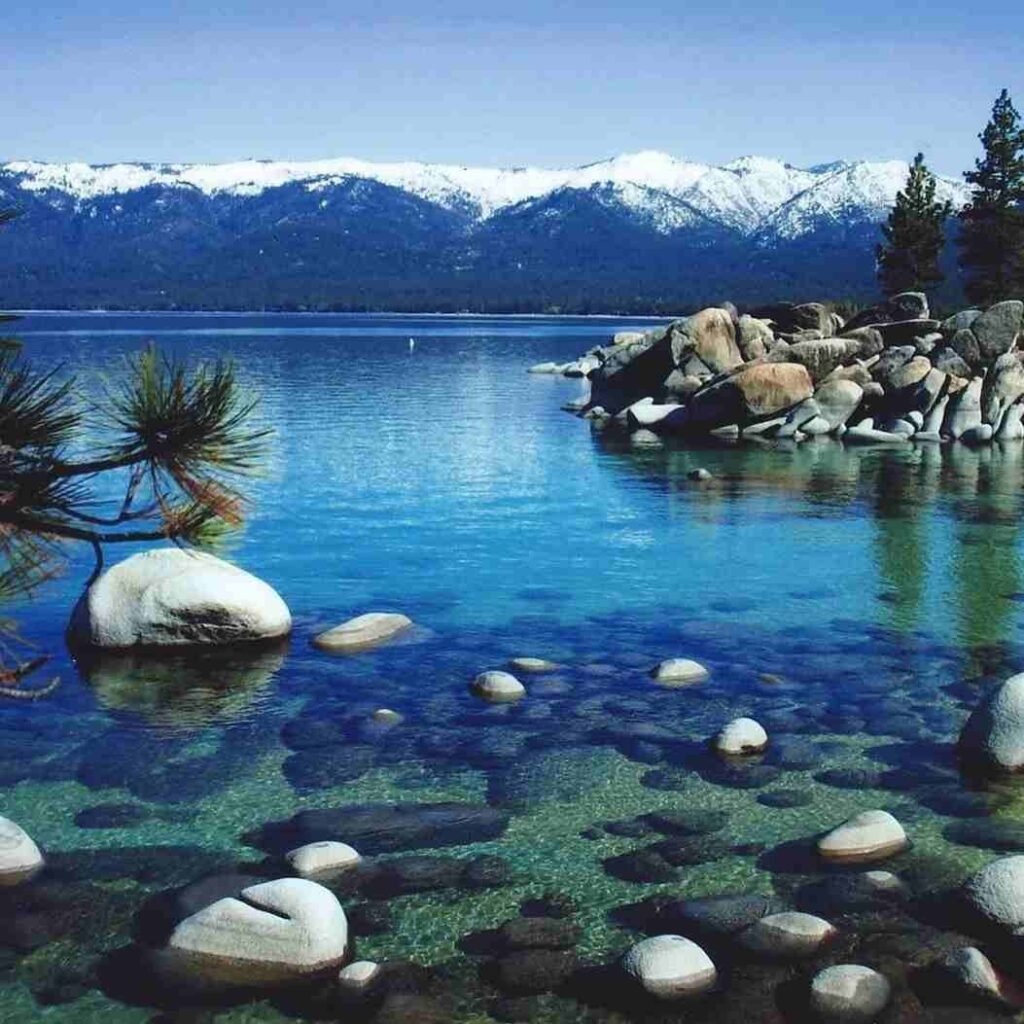
Lake Tahoe is one of the first places many travelers consider when planning a California winter trip. The Tahoe region combines snowy mountain scenery with skiing, snowboarding, snowshoeing, tubing, and other winter activities.
It is also a practical choice when different people in the same group want different experiences. Skiers can spend the day on the slopes, while non-skiers can choose activities such as snowshoeing, tubing, scenic rides, or simply enjoying the mountain towns.
Visit California notes that snowfall in the Tahoe area commonly begins around late November, although the timing and length of the season vary from year to year. Road restrictions can also apply during storms.
Consider Lake Tahoe if you want:
- Several days in the snow
- Skiing or snowboarding
- Family winter activities
- Snowy scenery
- A large choice of lodging and recreation areas
Check road and weather conditions before driving into the Sierra.
2. Mammoth Lakes
Best for: High-elevation winter recreation
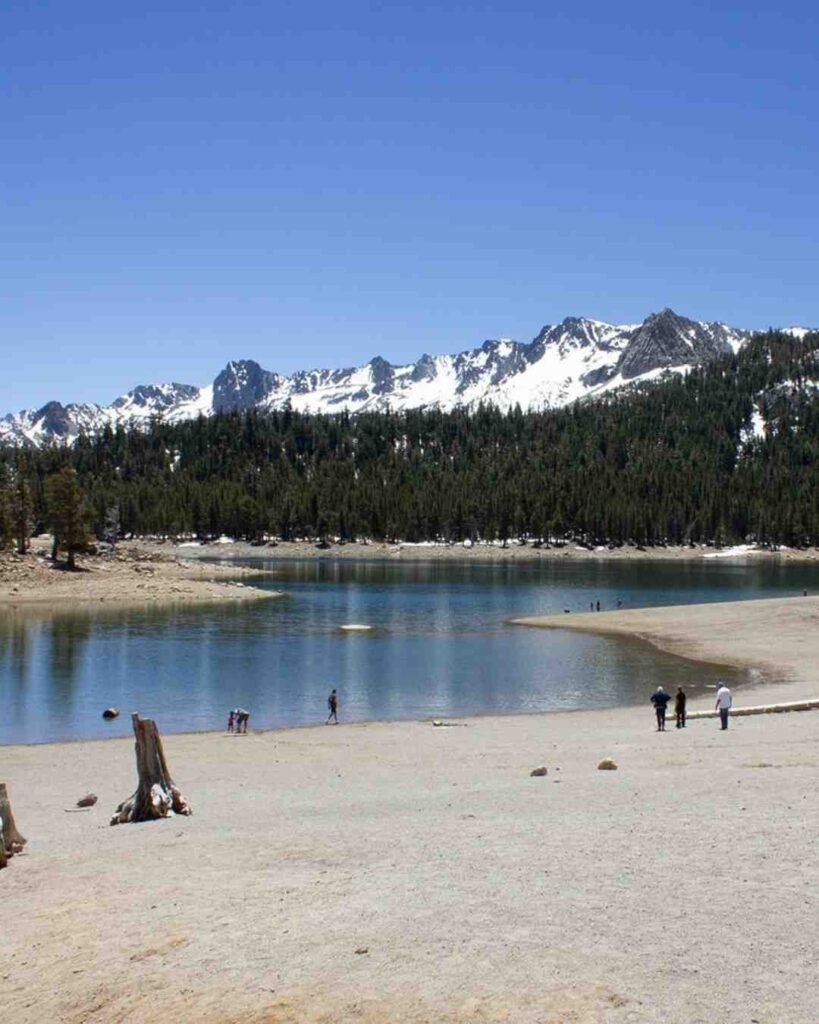
Mammoth Lakes is another strong choice for travelers who want a trip centered around snow.
Winter activities include skiing, snowboarding, Nordic skiing, tubing, sledding, snowshoeing, ice skating, and snowmobiling. The area also has winter access to trails and open snow-covered landscapes outside the main ski slopes.
Mammoth makes more sense as an overnight or weekend destination for many California residents because of its Eastern Sierra location.
Conditions can vary even within the Mammoth area. Visit Mammoth advises checking recent snowfall before planning activities that depend on sufficient snow coverage.
Consider Mammoth Lakes for:
- Ski trips
- Snowshoeing
- Sledding and tubing
- Nordic skiing
- Longer winter weekends
- High-elevation mountain scenery
3. Yosemite National Park
Best for: Winter scenery and photography
Yosemite offers a very different snow experience from a ski resort.
Snow can transform granite cliffs, forests, meadows, and waterfalls into dramatic winter landscapes. However, visitors should not assume that Yosemite Valley will always have deep snow.
The National Park Service says snow is sometimes present on the Yosemite Valley floor during winter and is usually present around 6,000 feet and above. Winter conditions are common from November through March.
Some roads also close seasonally. Tioga Road is normally closed due to snow from around November until late May or June, depending on conditions.
Yosemite is a good choice when seeing a beautiful snow-covered landscape matters more than spending the entire trip at a ski resort.
Best for:
- Winter photography
- Scenic viewpoints
- National park trips
- Snowy landscapes
- Couples and families who do not need a ski-focused vacation
Check park road conditions before starting your drive.
4. Big Bear Lake
Best for: Southern California families and weekend trips
Big Bear Lake is one of the most practical places for Southern California residents who want skiing, tubing, snow play, and a mountain-town setting.
Official Big Bear tourism information lists skiing, snowboarding, tubing, snowshoeing, and other winter recreation among the area’s seasonal activities. Snow sports at Snow Summit and Bear Mountain generally operate from November through April when weather and conditions allow.
The phrase weather and conditions permitting matters. Big Bear should not be treated as having guaranteed natural snow on any particular date.
Families who do not ski can also use designated tubing and snow-play facilities.
Consider Big Bear if you want:
- A Southern California snow weekend
- Skiing or snowboarding
- Snow tubing
- Family activities
- A mountain-town trip
5. June Lake
Best for: A quieter Eastern Sierra snow trip
June Lake sits near Mammoth Lakes and provides another option for people heading into the Eastern Sierra.
The area offers alpine scenery and access to winter recreation, while June Mountain is known for skiing and snowboarding. Visit California specifically highlights snow sports at June Mountain during winter.
June Lake can appeal to travelers who want access to a snowy Sierra setting without making the entire trip about the busier Mammoth area.
Good for:
- Family ski trips
- Mountain scenery
- Weekend stays
- Travelers already visiting the Eastern Sierra
6. Truckee
Best for: A classic snowy mountain town
Truckee combines a historic mountain-town setting with access to a large range of winter activities.
Visitors can find skiing, snowboarding, Nordic skiing, snowshoeing, tubing, sledding, ice skating, and snowmobiling around the Truckee-Tahoe area. The local tourism organization also highlights multiple ski resorts and extensive winter trail access around the region.
Truckee works well if you want snowy streets and a mountain-town base, rather than spending every hour at one resort.
It is also a useful base for exploring nearby Tahoe and Donner Summit areas.
7. Donner Summit
Best for: Snow play and Sierra recreation
Donner Summit sits in a high Sierra corridor near Truckee and provides access to several forms of winter recreation.
The surrounding area is useful for people interested in snow play, cross-country skiing, snowshoeing, and mountain scenery.
Some California SNO-PARK locations are also positioned across Sierra recreation corridors, giving visitors alternatives to commercial ski resorts.
Because Donner Summit is along a major mountain travel route, road and chain conditions should be checked shortly before departure.
8. Mount Shasta
Best for: Far Northern California mountain scenery
Mount Shasta gives Northern California travelers another major snow destination beyond Tahoe.
The mountain rises to 14,179 feet, and the surrounding Shasta Cascade region supports winter recreation, including skiing and Nordic activities. Visit California notes that many Mount Shasta hiking routes become inaccessible during winter because of snow.
The area makes more sense for travelers from Northern California or people planning a dedicated multi-day trip than for a quick Southern California snow visit.
Consider Mount Shasta for:
- Mountain scenery
- Skiing
- Cross-country skiing
- Northern California road trips
- Longer winter weekends
9. Shaver Lake
Best for: Travelers from Fresno and the Central Valley
Shaver Lake is worth considering if you are starting in Fresno or another part of the Central Valley.
The surrounding Sierra landscape reaches elevations where winter storms can produce snow, while nearby recreation areas provide access to mountain activities.
The key is checking recent conditions before making the drive. Snow at a lake community can differ substantially from conditions higher in the surrounding mountains.
Shaver Lake is best treated as a regional option rather than a replacement for major high-elevation destinations such as Mammoth or Tahoe.
10. Sequoia and Kings Canyon Area
Best for: Snowy forests and national park scenery
Sequoia and Kings Canyon National Parks offer a winter experience built around mountain landscapes, giant trees, quiet trails, and snow-covered forest settings.
Snow and road access vary considerably with elevation. Some park roads or recreation areas may have seasonal limitations during storms and winter weather.
This is a stronger option for sightseeing and outdoor scenery than for travelers looking specifically for a large resort experience.
Check National Park Service alerts and road conditions before visiting.
11. Wrightwood
Best for: A quick snow trip from the Los Angeles area
Wrightwood is one of the Southern California mountain communities people commonly consider after winter storms.
Its location makes it useful for Los Angeles-area residents who want a mountain day trip without traveling as far as the Sierra Nevada.
Winter conditions can change quickly. A recent storm may create a very different experience from a dry period a week later.
Visitors should check:
- Current snowfall
- Road restrictions
- Chain requirements
- Parking rules
- Local recreation-area conditions
Avoid driving up solely because snow fell somewhere in Southern California. Check conditions at the specific destination first.
12. Mount Baldy
Best for: Los Angeles-area mountain access
Mount Baldy is another option for Southern California residents seeking higher elevations.
Snow is strongly dependent on individual storms, so Mount Baldy is not a place where visitors should assume suitable snow conditions will exist throughout winter.
It is best considered after checking recent weather and local access information.
This can be a practical day trip when conditions line up, particularly for people based in the Los Angeles region.
13. Idyllwild
Best for: Mountain-town atmosphere
Idyllwild sits in the San Jacinto Mountains at more than 5,000 feet elevation.
Visit California notes that winter can bring snowy days to the community, while the town is also known for its forest setting, galleries, hiking access, and small-town feel.
Idyllwild is better suited to visitors who want a mountain getaway where snow may be part of the experience, rather than a trip built around a major ski resort.
Conditions can vary significantly between storms.
14. Mount San Jacinto
Best for: Higher-elevation snow in Southern California
Mount San Jacinto is one of Southern California’s most interesting options because conditions higher on the mountain can be very different from the desert below.
California State Parks lists snowshoeing, cross-country skiing, sledding, and snow play among winter activities at Mount San Jacinto State Park.
Conditions are highly variable. State Parks says wet winters can produce several feet of snow in the high country, while dry winters may produce only limited snowfall.
People heading into wilderness areas should treat winter conditions seriously. Trails are not groomed, and snow or ice can require specialized traction and navigation equipment.
15. Mount Laguna
Best for: San Diego-area travelers
Mount Laguna is one of the more practical mountain areas to consider when searching for winter conditions near San Diego.
It lies within Cleveland National Forest and gives San Diego County residents access to higher-elevation mountain terrain without driving all the way to Big Bear or the Sierra Nevada.
Natural snow here depends heavily on the weather pattern. Check recent local forecasts and road conditions before starting a snow trip.
For San Diego residents, Mount Laguna is worth monitoring after colder Southern California winter storms.
Where to See Snow in Northern California
Northern California gives travelers access to several of the state’s best-known winter mountain regions.
Strong choices include:
- Lake Tahoe
- Truckee
- Donner Summit
- Mount Shasta
Lake Tahoe and Truckee offer the widest mix of winter recreation, accommodations, and mountain-town experiences. Mount Shasta is particularly useful for people farther north.
Travelers from Sacramento and the Bay Area also have easier access to many Sierra destinations than visitors starting in Southern California.
Road conditions are an important part of planning. Heavy storms can introduce chain controls, traffic delays, temporary closures, and difficult mountain driving.
Where to See Snow in Southern California
You do not need to drive to the Sierra Nevada every time you want a winter mountain experience.
Some of the main places with snow in Southern California include:
- Big Bear Lake
- Wrightwood
- Mount Baldy
- Idyllwild
- Mount San Jacinto
- Mount Laguna
Big Bear is the strongest all-round choice if you want developed winter recreation such as skiing and tubing. Wrightwood and Mount Baldy can suit Los Angeles-area day trips when weather conditions are favorable.
Idyllwild gives visitors more of a mountain-town experience, while Mount San Jacinto provides access to much higher terrain.
Mount Laguna is useful for San Diego residents.
Southern California snowfall is highly storm-dependent. Always confirm actual snow conditions before driving.
Where to See Snow in California Without Skiing
Seeing snow does not mean you have to buy a lift ticket.
Many visitors simply want to take their children into the snow, build a snowman, go sledding, or spend a few hours in a winter landscape.
Options can include:
- Snow play
- Sledding
- Tubing
- Snowshoeing
- Cross-country skiing
- Winter walking where conditions permit
- Scenic sightseeing
Try a California SNO-PARK
California operates 18 SNO-PARK sites that provide cleared parking and access to winter recreation areas. Activities vary by location, but the program supports options such as cross-country skiing, dog sledding, and snow play.
A parking permit is required for each vehicle using a SNO-PARK from November 1 through May 30. The permit applies across the state’s SNO-PARK system rather than to only one specific site.
Parking is first come, first served, and snow-cleared lots cannot be guaranteed every day because plowing and weather conditions vary.
SNO-PARKs can be especially useful for families who want snow recreation without planning a full ski-resort trip.
When Is the Best Time to See Snow in California?
There is no single snow season that works equally well across the entire state.
California has enormous differences in elevation and climate. A high Sierra destination may have deep snow while a lower mountain town has bare ground.
For many mountain areas, December through March is the main period to watch for winter conditions. However, snow can arrive earlier, last later, or disappear between storms.
Yosemite illustrates the difference well. The National Park Service says winter conditions are common from November through March. Snow is sometimes present on the Yosemite Valley floor but is usually present around 6,000 feet and above.
Big Bear’s developed snow-sports season typically runs from November through April when weather and conditions allow.
The practical rule is simple: choose your destination first, then check current conditions for that exact elevation and area.
How to Check Where There Is Snow Before You Go
A place being known for snow does not mean it has good snow conditions today.
Before making a winter road trip, use several sources rather than relying on one forecast.
1. Check the Local Weather Forecast
Search for the forecast at your actual destination, not simply “California weather.”
Mountain temperatures and snowfall can differ dramatically from nearby valleys and cities.
Pay attention to:
- Expected snowfall
- Snow level
- Temperature
- Wind
- Winter storm warnings
- Timing of the storm
2. Check Official Park or Resort Conditions
If you are going to Mammoth, Tahoe, Big Bear, Yosemite, or another managed recreation area, check its current conditions page.
These sources can tell you about:
- Open facilities
- Snow conditions
- Lift operations
- Road restrictions
- Trail access
- Temporary closures
3. Look at Recent Webcams
A webcam can help you see whether snow is actually covering the ground.
Use recent images from official tourism organizations, resorts, transportation agencies, or parks when available.
Do not rely on old social-media photos.
4. Check Caltrans QuickMap
This should be part of almost every California mountain road trip.
Caltrans QuickMap provides information including:
- Chain controls
- Lane closures
- CHP incidents
- Road cameras
- Changeable message signs
- Other current traffic conditions
Caltrans specifically recommends checking QuickMap before winter mountain travel.
5. Check School Closure Chances Separately
A destination snow report and a school snow-day forecast answer different questions.
If you are watching an incoming winter storm because it may affect school schedules, use the Snow Day Predictor to estimate the chance of a snow day for your location.
It should be used alongside local forecasts and official school announcements rather than as a replacement for them.
Driving to See Snow in California
Winter mountain driving needs more preparation than an ordinary California road trip.
Conditions can change quickly as elevation increases.
Check Road Conditions Before Leaving
Caltrans recommends checking road closures, chain controls, and other roadway conditions before driving into mountain areas.
Check again close to departure because conditions can change during a storm.
Follow Posted Chain Controls
California uses different levels of chain control depending on road conditions.
When signs say chains or traction devices are required, drivers must follow the posted restriction. Caltrans notes that control areas can change quickly because of changing weather and road conditions.
Do not assume an AWD or 4WD vehicle automatically removes every requirement.
Under California’s R2 level, qualifying four-wheel or all-wheel-drive vehicles with snow-tread tires may be exempt from installing chains, but they must still carry traction devices. Under R3, chains or traction devices are required on all vehicles.
Follow the signs and instructions in the area you are driving through.
Yosemite Has Its Own Winter Requirements
Yosemite requires visitors entering designated chain-control areas to carry chains or cables, including drivers of four-wheel-drive vehicles. Whether they must be installed depends on the active control level.
The National Park Service recommends being prepared for chain requirements during winter because conditions can change rapidly.
Do Not Depend Only on GPS
Mountain routes that appear available on a navigation app may be seasonally closed.
For example, Yosemite’s Tioga Road normally closes due to winter snow and typically does not reopen until late spring or early summer.
Always compare navigation directions with official road information.
Best Snow Places Based on Where You Are Starting
California is large, so the best destination also depends on where your trip begins.
| Starting Area | Snow Destinations to Consider |
|---|---|
| Los Angeles | Big Bear, Wrightwood, Mount Baldy |
| San Diego | Mount Laguna, Idyllwild, Big Bear |
| San Francisco Bay Area | Lake Tahoe, Truckee, Yosemite |
| Sacramento | Lake Tahoe, Truckee, Donner Summit |
| Fresno | Shaver Lake, Yosemite, Sequoia area |
These are planning suggestions, not guarantees that each place is the closest route from every neighborhood.
Weather, road closures, traffic, and seasonal restrictions can change which destination makes the most sense on a particular day.
Which California Snow Destination Is Best for You?
Still unsure where to see snow in California? Start with what you want from the trip.
| You Want | Consider |
|---|---|
| Full winter resort vacation | Lake Tahoe |
| High-elevation snow recreation | Mammoth Lakes |
| Snowy national park scenery | Yosemite |
| Southern California weekend | Big Bear |
| LA-area day trip | Wrightwood |
| Quiet Eastern Sierra setting | June Lake |
| Mountain-town atmosphere | Truckee |
| Non-ski snow play | Designated snow-play area or SNO-PARK |
| San Diego-area option | Mount Laguna |
| Higher Southern California terrain | Mount San Jacinto |
For the widest choice of winter activities, Tahoe and Mammoth stand out.
For Southern California residents, Big Bear is usually the most complete developed winter destination. Wrightwood, Mount Baldy, Idyllwild, Mount San Jacinto, and Mount Laguna are more dependent on individual storm conditions.
FAQs About Snow in California
Does it snow in California?
Yes. California receives significant snow in its mountain regions, particularly across the Sierra Nevada and other higher-elevation areas.
Snow is much less common in coastal cities and lower elevations.
Where does it snow the most in California?
The Sierra Nevada contains many of California’s major snow regions, including the Lake Tahoe and Mammoth areas. The exact snowiest location can vary depending on the measurement period, elevation, and individual winter season, so it is better to check official snowfall data rather than rely on a permanent ranking.
Where can I see snow near Los Angeles?
Big Bear Lake, Wrightwood, and Mount Baldy are common options for Los Angeles-area travelers. Natural snow depends on recent storms, so check conditions before driving.
Where can I see snow in Southern California?
Big Bear Lake, Wrightwood, Mount Baldy, Idyllwild, Mount San Jacinto, and Mount Laguna can all experience winter snow. Big Bear has the broadest range of developed snow recreation among these options.
Does it snow in California in December?
Yes, December can bring snow to many California mountain areas. However, early-season snow coverage varies from year to year. Higher elevations usually provide better chances than lower mountain communities.
Can I see snow in California without skiing?
Yes.
You can choose snow-play areas, tubing parks, SNO-PARKs, scenic mountain destinations, or snowshoeing areas instead of visiting a ski resort. California’s SNO-PARK system is specifically designed to improve access to winter recreation areas.
Does Yosemite have snow in winter?
Yes, but snow coverage depends heavily on elevation. The National Park Service says snow is sometimes present on Yosemite Valley’s floor and is usually present around 6,000 feet and above during winter conditions.
Is there snow in California right now?
That depends on the date, recent storms, and elevation. Check local weather forecasts, official resort or park reports, webcams, and Caltrans road information before leaving.
A general article about California snow destinations cannot reliably tell you whether snow is on the ground at a particular mountain today.
Plan Your California Snow Trip
California has winter destinations for almost every type of traveler.
Choose Lake Tahoe or Mammoth Lakes for a full winter vacation, Yosemite for dramatic scenery, Big Bear for a Southern California weekend, or a smaller mountain destination for a simpler day trip.
The most important step is checking actual conditions before you leave. Snowfall, road access, chain controls, and parking can change quickly during winter storms.
Once you know where to see snow in California, confirm the forecast and road conditions for that exact destination. That small check can make the difference between a great snow day and a wasted mountain drive.